01 · Teacher development
Teach with more clarity.
Improve observation, explanation, exercise choice, feedback and lesson decisions. Useful for aspiring teachers and experienced teachers alike.
Discuss your teaching →Teacher development and curriculum design for dance teachers, aspiring teachers and schools. Work on the decisions that make learning clearer, more coherent and more transferable.
Teaching teachers has been part of my work for years. With a master’s degree in pedagogy and a background in school teaching, it has become a specialty of my practice.
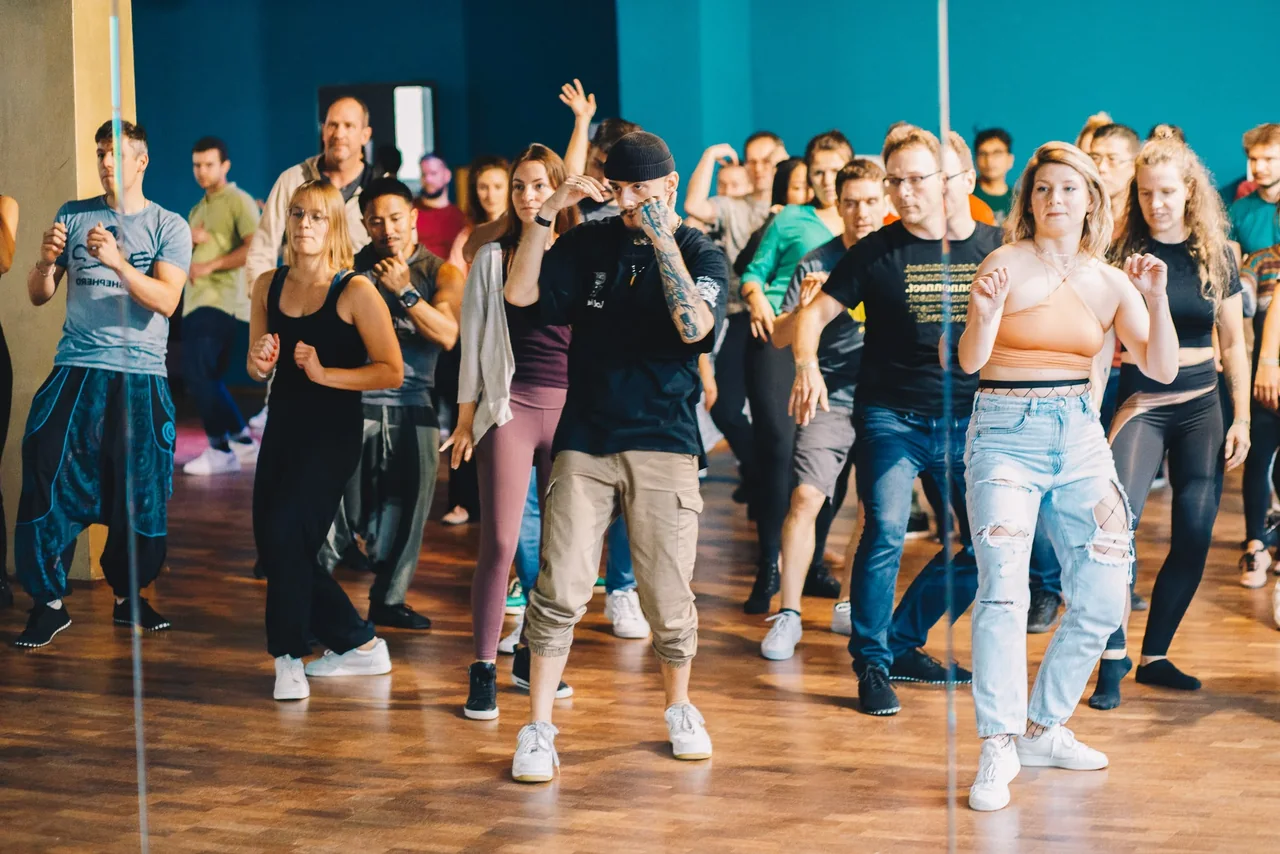
Pilot offer · Teacher coaching
Bring a class you already teach. I’ll examine where learning gets stuck, what your exercises are training, and how to make the class clearer and easier to adapt.
A focused review of one class, with practical changes you can try with your students.
Pilot pricing. Sending an inquiry does not confirm a booking.
For teachers, aspiring teachers & schools
Bring a class, a curriculum or a shared teaching challenge. Start with the support that best matches what you need now.
01 · Teacher development
Improve observation, explanation, exercise choice, feedback and lesson decisions. Useful for aspiring teachers and experienced teachers alike.
Discuss your teaching →02 · Curriculum design
Turn topics into a coherent course with goals, prerequisites, sequencing, practice, review and clear transitions between levels.
Discuss your curriculum →03 · Teams & schools
Work on shared goals, class structure, feedback standards, mixed levels and how multiple teachers support one learning progression.
Discuss your team or school →Put your ideas to work
Use the Curriculum Planner for the learning progression and the Session Planner for the detailed lesson. The two tools stay connected.
Define the destination, prerequisites and sequence. Create sessions and open them for detailed planning.
Build a progression →Set a learning goal, organize timed activities and decide how you will check learning.
Plan a session →Your Zouk and Lambada plans save to your website account. Move between the curriculum and its sessions without downloading or importing files.
Teacher framework · Applied pedagogy
A good class is not a list of movements to cover. It connects clear outcomes, prerequisites, attention, practice, feedback and reflection—then changes when the students show you something different.
Start with what students should be able to do, not simply what you plan to teach. I separate technical, social and personal outcomes so the class develops more than movement vocabulary.
Break movement into larger components and smaller mechanical elements. Build basic, intermediate and advanced versions so challenge can change without changing the learning goal.
Use precise instructions and one useful focus at a time. Demonstrate, count, describe, use imagery and let students feel the task—multiple routes into the same idea without overloading attention.
Observe something specific, give one concrete next action, then return and check what changed. Feedback is not finished when the teacher speaks; it is finished when we can observe the next attempt.
If the intended learning does not appear, reconsider the cue, exercise, progression or environment. Student outcomes are evidence about our teaching decisions and what should change next.
Class architecture
The exact timing changes by class, but the functions should be intentional. Warm-up is split into general readiness and specific preparation for the actual demands of the lesson.
I use multimodal instruction rather than assigning students fixed “visual”, “auditory” or “kinesthetic” learning styles. The useful question is which representation helps this learner understand this task—not which permanent category they belong to.
This framework is designed to be tested in real classes through observation, practice teaching, student response, self-evaluation and continuous refinement.
Teaching Studio access
The free Studio is designed to be useful on its own. Full Studio adds the parts of the methodology that diagnose, connect, sequence and adapt your teaching decisions.
Free Studio · At launch
Keep one curriculum and up to three saved sessions. Define goals, prerequisites, timing, activities, readiness, adaptations and reflection. Browse the shared curriculum concepts and keep your plans private in your account.
Start with the planner →Full Studio · Subscription
Unlock unlimited plans, dependency-aware sequencing, suggested supports and next branches, curriculum and activity drafting, deeper observation cues, exercise selection, progression and adaptation tools, plus the connected evidence and history layer.
Try the full beta →Mentorship · Included
Mentorship members keep complete platform access without a separate software subscription. The member experience can also connect the Studio with your personal roadmap, Atlas, Zoukable and coaching context.
Explore mentorship →Beta testers currently have the complete Studio unlocked. When the product moves to paid launch, free accounts keep the core planning tools above, while the methodology layer becomes Full Studio. Subscription pricing will be set after beta usage gives us enough evidence.
Before we begin
Yes. Preparing your first class is a useful place to begin. We can work on a clear learning goal, a manageable progression and how to explain or demonstrate the ideas you want to teach.
Teacher development focuses on how you help other people learn: planning, explanation, observation, feedback and curriculum design. Dance mentorship focuses on your own dancing and practice. If you want to work on both, describe that in your inquiry so we can discuss the right focus.
A question is enough to start. If you have one, bring a lesson outline, course plan or example of a difficulty you encounter in class. Tell me who your learners are and what you want them to be able to do.
Yes. We can discuss a shared teaching challenge, teacher-development work or the design and review of a curriculum. Include the size of your team, your learners’ levels and the program you have in mind.
Start by sharing your goals, location and possible dates. We’ll discuss the scope, format, availability and fee together. Sending an inquiry starts that conversation; it does not confirm a booking.
Let’s talk pedagogy
Whether you’re preparing your first class, developing a teaching team or building a curriculum, start with the people you want to help learn.
Share a little context below. You’ll review your message, then choose WhatsApp or email to send it.
Only your name and goal are required. Preparing a message sends nothing and does not book a session. Confirm the scope, availability and fee with Gab.
Prefer a direct conversation?
WhatsApp Gab · Email Gab
Looking for support with your own dancing? Explore dance mentorship →